


Applications
27. March 2026

Blog
Applications
27. March 2026
With the expiry of the 20-year EEG (Erneuerbare-Energien-Gesetz) subsidy, many big photovoltaic and wind power plants are facing an economic reorientation. This is because the rules of the game in the electricity market have changed fundamentally. What used to be predictable thanks to fixed feed-in tariffs is now increasingly dependent on the market: volatile electricity prices, falling feed-in tariffs and growing risks in direct marketing.
Here Co-location comes in. It’s a battery storage concept that is currently gaining importance. And for operators of existing PV and wind farms, it means that not just the amount of energy generated, but the timing of marketing determines economic success.
Renewable energies often feed into the grid when supply is already high and prices are low or even negative. In Germany alone, the number of hours with negative electricity prices has risen massively in recent years. As a result, many plants sell their electricity below the actual market value.
Co-location fundamentally changes this game. The combination of generation plant and battery storage at a common grid connection point creates a system that not only produces, but can also actively respond to market prices. When the grid, generation and market operate in harmony, battery storage systems directly add value to the electricity market. They reduce grid bottlenecks, ensure greater use of the free power windows at the grid connection and surplus PV or wind energy can be used specifically for self-consumption concepts or direct marketing.
In a co-location setup, a battery storage system is integrated directly at the site of a PV or wind farm. Both systems share central infrastructure such as grid connection and transformer. The key advantage is that the electricity generated can be stored temporarily instead of having to feed it into the grid immediately.
This opens up completely new possibilities:
Generation, storage, grid interaction and market integration are therefore no longer considered in isolation, but are brought together through a common technical operating logic. This transforms a traditional generation plant into a flexible energy system with an active marketing strategy.
A key term in this context is the so-called capture rate. It describes the relationship between the average electricity market price and the price that a particular technology actually achieves for the electricity it generates.
It describes what proportion of the average market price a plant actually achieves.
For photovoltaics in particular, this is often significantly lower than the market price, simply because many systems feed in at the same time. This effect can be compensated for with battery storage systems:
Initial analyses show that if generation, storage and trading are considered as an integrated whole, even simple strategies can significantly increase the capture rate of co-location plants. Particularly in the context of post-EEG photovoltaic plants, retrofitting – known as ‘repowering’ – with battery storage creates a new class of plant: the hybrid photovoltaic-storage power plant.
Would you like to delve deeper and find out exactly how the various co-location models differ economically, what role trading strategies play and which revenue tactics are realistic with a battery storage system?
Read our latest white paper "Profit Booster Co-location"
Download White Paper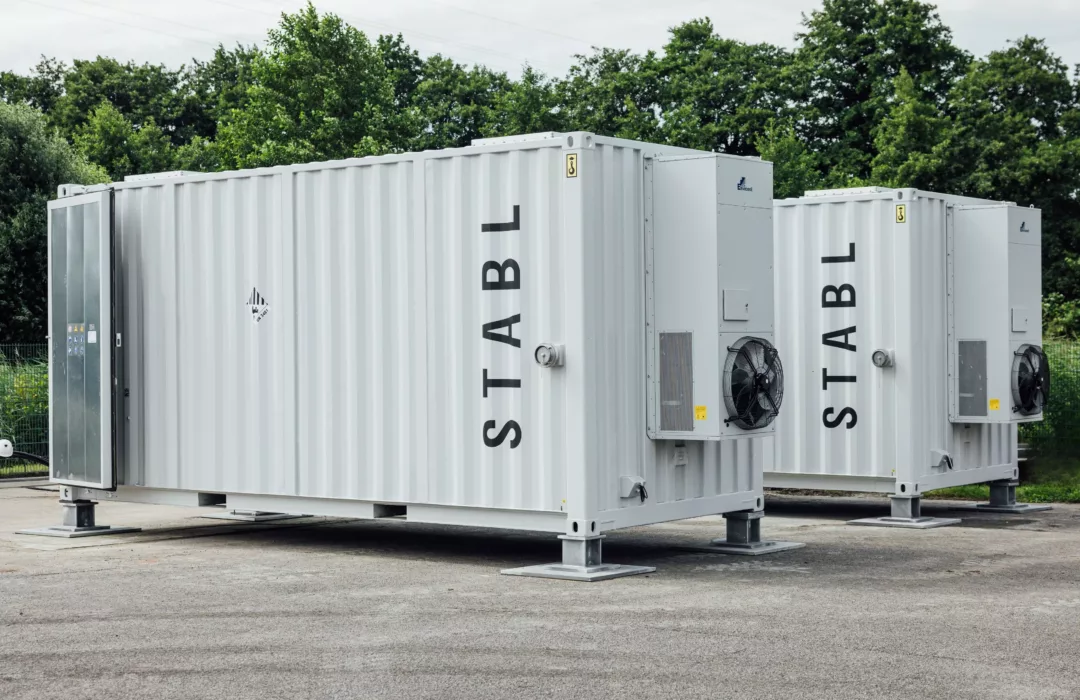
Knowledge & Opinion
15. June 2026
Grid Fees Reform: Prospects for the Future of Battery Storage

Knowledge & Opinion
18. May 2026
EU Initiative Against Chinese Inverters: Impact on Battery Storage Systems

Knowledge & Opinion
21. April 2026
Industrial Electricity Price: Signal for Energy-Intensive Industries
Navigation
© 2026 STABL Energy GmbH